
13 Simple Tips to Improve Your Health Today
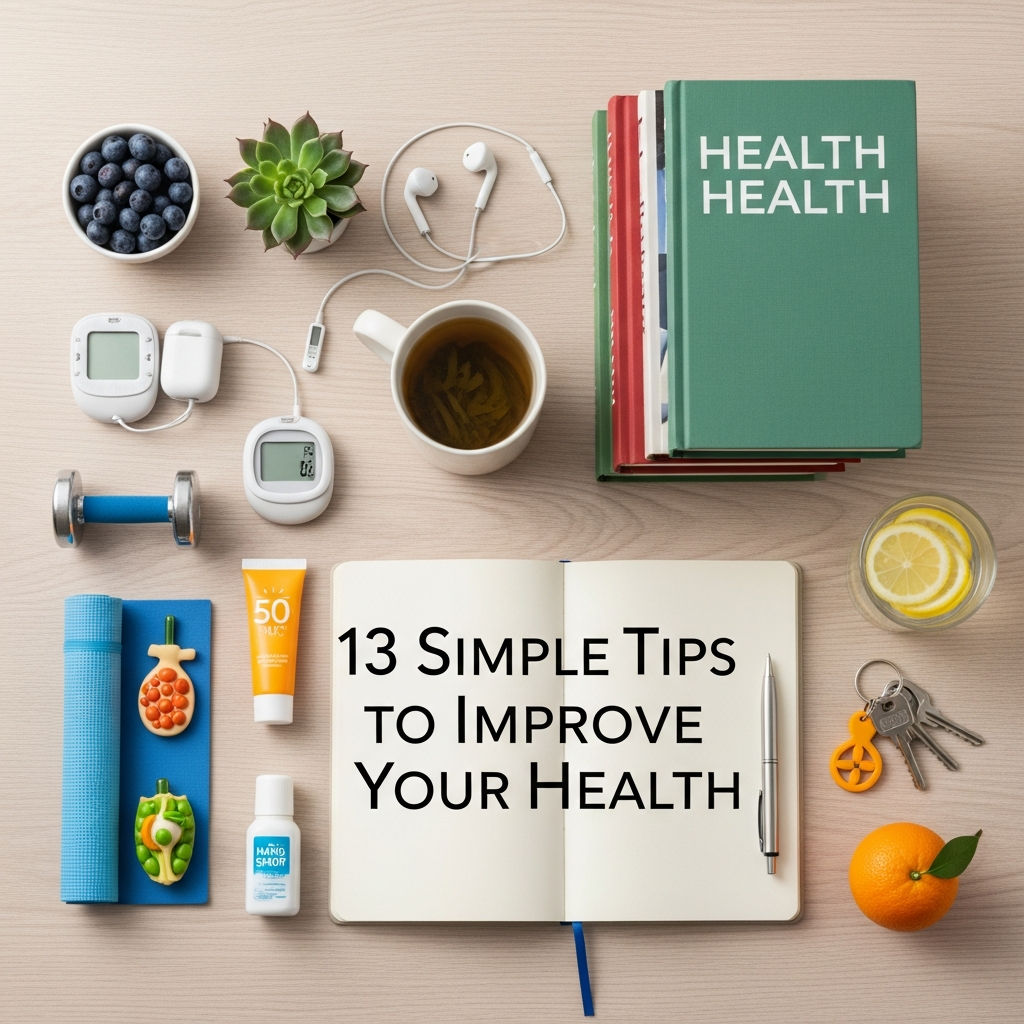
13 Simple Tips to Improve Your Health Today
In today’s fast-paced world, staying healthy can often feel like a full-time job. With a constant stream of conflicting health news and complex diet trends, many people feel overwhelmed before they even begin. However, improving your well-being doesn’t always require a complete lifestyle overhaul. Often, the most significant long-term results come from small, sustainable adjustments to your daily routine.
Whether you are looking to boost your energy levels, improve your mental clarity, or increase your longevity, these 13 simple tips offer actionable advice to help you take control of your wellness journey. Here is the latest “health news” you can actually use to transform your life, one step at a time.
1. Prioritize Hydration First Thing in the Morning
Most people wake up in a state of mild dehydration after six to eight hours of sleep. Instead of reaching for the coffee pot immediately, try drinking a full glass of water first. This simple habit kickstarts your metabolism, helps flush out toxins, and improves cognitive function. Adding a squeeze of lemon can provide a small boost of Vitamin C and aid digestion, setting a healthy tone for the rest of the day.
2. Focus on “NEAT” Movement
You don’t need to spend hours at the gym to see health improvements. NEAT, or Non-Exercise Activity Thermogenesis, refers to the energy expended for everything we do that is not sleeping, eating, or sports-like exercise. This includes walking to your car, pacing while on the phone, or taking the stairs. By consciously increasing your daily movement, you can significantly improve your cardiovascular health and maintain a healthy weight without feeling the “gym burnout.”
3. Optimize Your Sleep Hygiene
Sleep is the foundation upon which all other health habits are built. Poor sleep affects everything from your hunger hormones to your immune system. To improve your sleep hygiene, try to go to bed and wake up at the same time every day—even on weekends. Ensure your bedroom is cool, dark, and quiet. Most importantly, avoid blue light from smartphones and tablets at least one hour before bed, as it interferes with melatonin production.
4. Master the “Plate Method”
Nutrition news often focuses on what to restrict, but a better approach is to focus on balance. Use the “Plate Method” for your main meals: fill half your plate with colorful vegetables, one-quarter with lean protein (like chicken, fish, or beans), and one-quarter with complex carbohydrates (like quinoa or sweet potatoes). This ensures you get a wide spectrum of micronutrients and fiber without the need for meticulous calorie counting.
5. Practice Mindful Eating
How you eat is just as important as what you eat. In our distracted culture, we often eat while watching TV or scrolling through social media, which leads to overeating. Mindful eating involves slowing down, chewing thoroughly, and paying attention to hunger and fullness cues. By engaging your senses and savoring your food, you allow your brain to register satiety, which prevents digestive discomfort and promotes a healthier relationship with food.
6. Incorporate Strength Training Twice a Week
As we age, we naturally lose muscle mass, which can slow down our metabolism and weaken our bones. You don’t need to be a bodybuilder to benefit from resistance training. Using bodyweight exercises like squats, lunges, and push-ups twice a week can help preserve lean muscle, improve insulin sensitivity, and boost your overall metabolic rate. Strength training is one of the best investments you can make for your long-term mobility.
7. Get Direct Sunlight Daily
Morning sunlight exposure is crucial for regulating your circadian rhythm—your body’s internal clock. Getting 10 to 20 minutes of natural light shortly after waking up helps your body produce cortisol in the morning (for energy) and prepares it to produce melatonin at night (for sleep). Additionally, sunlight is a primary source of Vitamin D, which is essential for bone health and immune function.
8. Increase Your Fiber Intake
If there is one “superfood” that lived up to the hype in recent health news, it is fiber. Most adults do not consume nearly enough fiber, which is essential for gut health, stable blood sugar, and heart health. Aim to incorporate more lentils, chia seeds, berries, and leafy greens into your diet. A healthy gut microbiome is linked to everything from improved mood to a stronger immune system.
9. Manage Stress with Box Breathing
Chronic stress is a silent killer, contributing to inflammation and heart disease. While you cannot always eliminate stress, you can change how your body responds to it. Box breathing is a simple technique used by elite athletes and Navy SEALs to calm the nervous system. Inhale for four seconds, hold for four, exhale for four, and hold for four. Repeating this cycle for just two minutes can lower your heart rate and reduce cortisol levels.
10. Reduce Liquid Calories
One of the easiest ways to improve your health is to take a look at what you drink. Sodas, sweetened coffees, and even some fruit juices are loaded with hidden sugars that cause energy crashes and weight gain. By swapping these for herbal tea, sparkling water, or plain water, you can significantly reduce your daily sugar intake without feeling deprived. Staying hydrated with “clean” liquids also improves skin clarity and kidney function.
11. Cultivate Social Connections
Health is not just physical; it is social and emotional. Loneliness has been linked to a higher risk of heart disease and cognitive decline. Making an effort to connect with friends, family, or community groups can have a profound impact on your mental well-being. Whether it’s a quick phone call or a weekly walk with a neighbor, nurturing your social bonds is a vital component of a healthy lifestyle.
12. Take a Daily Digital Detox
Constant connectivity can lead to “information overload” and increased anxiety. Setting boundaries with technology—such as a “no phones at the dinner table” rule or a dedicated hour of screen-free time before bed—allows your brain to rest and recharge. This reduction in digital noise can improve your focus, reduce eye strain, and help you be more present in your physical environment.
13. Focus on Consistency Over Perfection
The most important tip for improving your health is to embrace the “80/20 rule.” You don’t have to be perfect 100% of the time to see results. If you miss a workout or enjoy a decadent dessert, don’t let it derail your entire week. Health is the sum of your consistent habits, not your occasional indulgences. By focusing on making better choices most of the time, you create a sustainable lifestyle that you can maintain for years to come.
Conclusion: Taking the First Step
Improving your health doesn’t have to be a daunting task. By implementing these 13 simple tips, you are building a foundation of wellness that will serve you for a lifetime. Start by picking just two or three of these suggestions to focus on this week. Once they become part of your routine, add a few more.
Remember, the best “health news” is the news that empowers you to take action. You have the power to influence your energy, your mood, and your longevity through the choices you make every single day. Start small, stay consistent, and watch as these minor changes lead to major transformations.
- Hydrate: Drink water before caffeine.
- Move: Increase daily steps and NEAT activity.
- Recover: Prioritize 7-9 hours of quality sleep.
- Connect: Spend time with loved ones to boost mental health.