New RNA Biology Hub Opens in Singapore
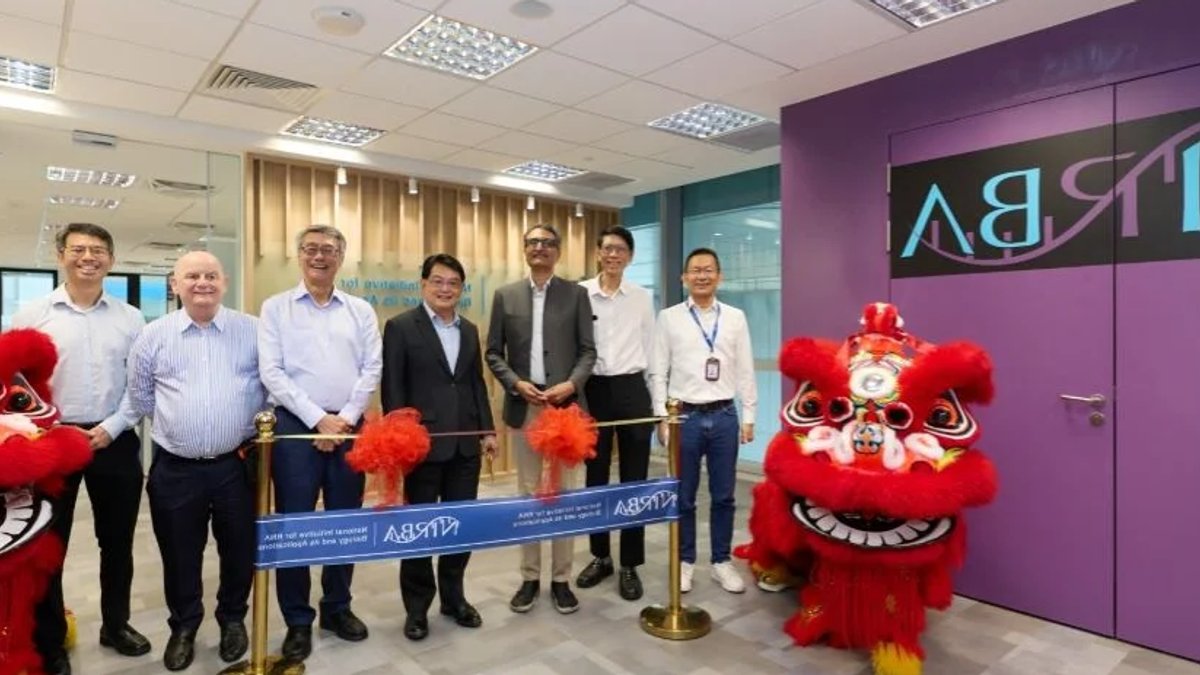
The National Initiative for RNA Biology and its Applications (NIRBA) has opened a new hub at the National University of Singapore (NUS), marking a significant step forward for the nation’s scientific capabilities. The facility, which spans 2,000 square meters, will serve as the central node in a national network aimed at accelerating the translation of RNA research into healthcare, economic, and societal outcomes. Officials said the hub will support work across a wide range of disciplines, including RNA therapeutics, cancer biology, infectious diseases, and AI-enabled design.
NIRBA was launched in 2025 as a national initiative supported by the National Research Foundation (NRF). The organization brings together researchers and expertise from NUS, Nanyang Technological University, and the Agency for Science, Technology and Research (A*STAR), alongside other partners. The goal is to position Singapore at the forefront of a rapidly evolving area of modern science.
Related: Gulf Medical University opens simulation centres
Serving as the focal point of NIRBA’s hub-and-spoke model, the new facility will unite researchers, clinicians, technology platforms, and industry partners to build interdisciplinary collaboration. This alignment with Singapore’s Research, Innovation and Enterprise 2030 (RIE2030) plan aims to strengthen the nation’s scientific base, deepen innovation capabilities, and develop talent. The physical space is designed to be a collaborative environment for talent development and industry engagement.
The architecture of the facility reflects a shift in how scientific institutions operate. Unlike the siloed laboratories of the past, this model places shared resources—such as high-end imaging equipment and specialized containment suites—within a central hub that feeds smaller “spoke” facilities. This structure reduces redundancy and allows scientists from different backgrounds to share expensive infrastructure without the administrative overhead of negotiating access to separate machines. By centralizing these tools, the initiative attempts to lower the barrier to entry for novel RNA therapies, ensuring that a promising discovery at a university lab can move toward clinical trials faster than in traditional, fragmented research ecosystems.
Related: Digital Health Awards Winners Are Announced
Spanning 2,000 sqm, the NIRBA Hub supports research across multiple critical areas. The facility is equipped to handle work in RNA therapeutics, cancer biology, infectious diseases, RNA-based diagnostics, and AI-enabled design. In addition to advancing core research, the center will serve as a platform for training the next generation of scientists and strengthening international connections.
The initiative is part of a broader strategy to integrate Singapore into the global scientific network. By hosting leading research organizations and supporting partnerships with industry, the hub aims to facilitate the exchange of knowledge and technology. The focus on AI-enabled RNA design represents a specific effort to apply modern computational tools to biological problems, potentially speeding up the discovery of new treatments for complex diseases. Officials noted that the collaborative environment is designed to bridge the gap between academic research and commercial application.


