
13 Simple Tips to Improve Your Health: Small Changes for Big Results
“`html
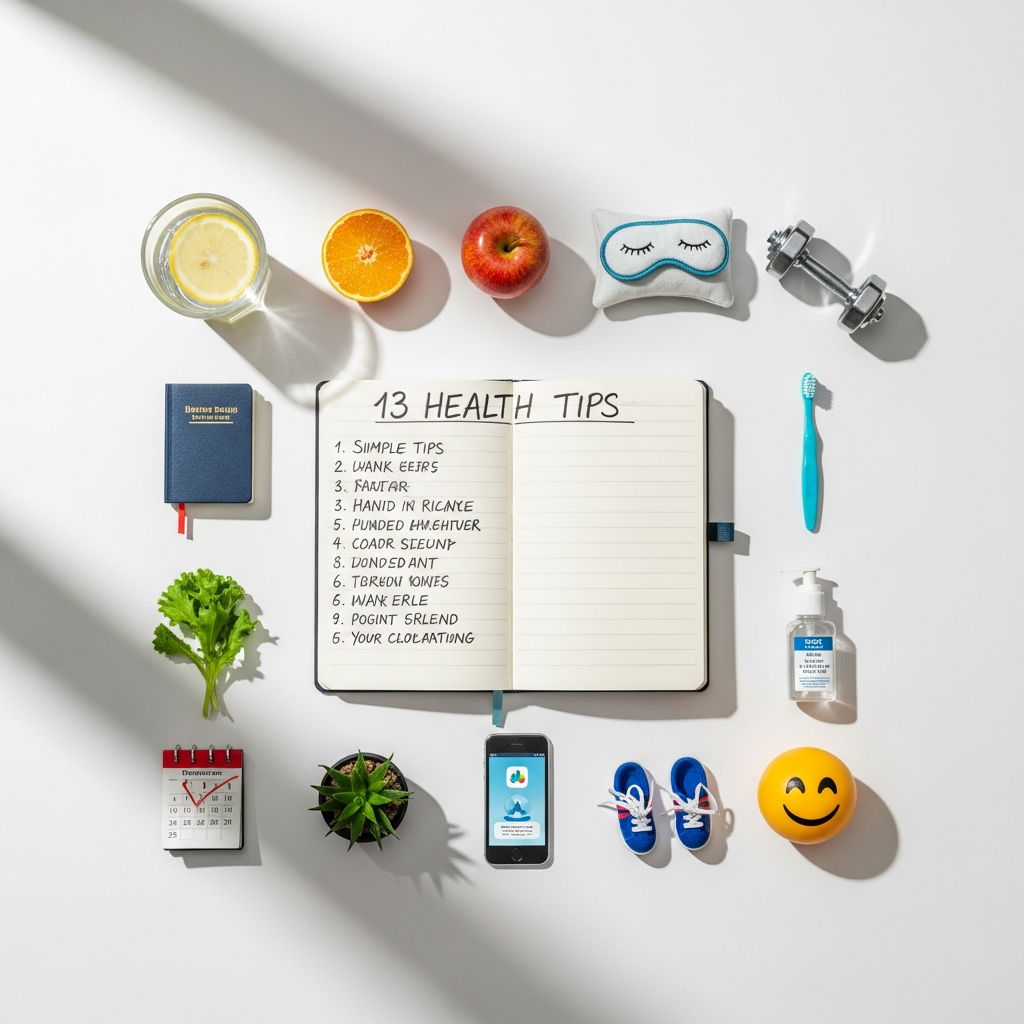
13 Simple Tips to Improve Your Health: Small Changes for Big Results
In the fast-paced world of health news, we are constantly bombarded with the latest “superfoods,” high-intensity workout trends, and complex biohacking techniques. However, the most profound improvements in our well-being often come from the simplest adjustments to our daily routines. Improving your health doesn’t have to mean a complete lifestyle overhaul; it’s about consistent, manageable habits that compound over time.
Recent studies in preventive medicine suggest that focusing on foundational pillars—like sleep, hydration, and movement—can significantly lower the risk of chronic diseases and improve mental clarity. If you are feeling overwhelmed by conflicting advice, this guide breaks down 13 evidence-based, simple tips to help you take control of your health today.
1. Prioritize Hydration Over Everything
The human body is roughly 60% water. Even mild dehydration can lead to fatigue, brain fog, and increased hunger. One of the simplest ways to improve your health is to drink a glass of water immediately upon waking up. This rehydrates your organs after a night of rest and kickstarts your metabolism. Aim for at least 8 to 10 glasses a day, and consider carrying a reusable water bottle to track your progress.
2. Focus on “Crowding Out” with Whole Foods
Instead of focusing on what you can’t eat, focus on what you should eat. The concept of “crowding out” involves filling your plate with so many nutrient-dense whole foods—like leafy greens, berries, legumes, and lean proteins—that there is simply no room left for ultra-processed snacks. Whole foods are high in fiber, which supports gut health and keeps you satiated longer.
3. Optimize Your Sleep Hygiene
Sleep is the foundation of physical and mental health. Latest health news highlights that it’s not just about the quantity of sleep, but the quality. To improve your sleep hygiene, try to go to bed and wake up at the same time every day, even on weekends. Dim the lights an hour before bed and avoid “blue light” from smartphones, which can suppress melatonin production and disrupt your circadian rhythm.
4. Take a Daily 15-Minute Walk
You don’t need a marathon to see cardiovascular benefits. A brisk 15-to-20-minute walk every day can lower blood pressure and reduce stress hormones. Walking after a meal is particularly effective, as it helps regulate blood sugar levels and aids digestion. It is one of the most accessible forms of exercise and requires no special equipment.
5. Practice Mindful Eating
How you eat is often just as important as what you eat. Mindful eating involves paying full attention to the experience of eating and drinking. Try to chew your food thoroughly and avoid distractions like the TV or your phone. This allows your brain to register “fullness” signals, which typically take about 20 minutes to reach your stomach, preventing overeating.
6. Incorporate Strength Training
As we age, we naturally lose muscle mass. Incorporating resistance training—whether through weightlifting, resistance bands, or bodyweight exercises like push-ups—is vital for bone density and metabolic health. Muscle tissue burns more calories at rest than fat tissue, making strength training a key component of long-term weight management.
7. Manage Stress Through Breathwork
Chronic stress is a silent killer, contributing to heart disease and weakened immune systems. You don’t need an hour of meditation to see results. Simple deep-breathing exercises, such as the “4-7-8” technique (inhale for 4, hold for 7, exhale for 8), can instantly trigger the parasympathetic nervous system, lowering your heart rate and inducing a state of calm.

8. Limit Liquid Calories
One of the quickest ways to improve your health is to audit your beverage intake. Sodas, sweetened coffees, and energy drinks are often loaded with “empty” calories and hidden sugars that cause insulin spikes. Transitioning to herbal teas, sparkling water, or black coffee can significantly reduce your daily caloric intake without making you feel deprived of food.
9. Prioritize Social Connection
Health isn’t just physical; it’s social. Data from “Blue Zones” (areas where people live the longest) shows that strong social ties are a common denominator among centenarians. Spending time with friends, volunteering, or engaging in community activities lowers the risk of depression and boosts cognitive function as we age.
10. Get Your Daily Dose of Vitamin D
Vitamin D plays a crucial role in immune function and bone health. While it is found in some foods, the best source is natural sunlight. Aim for 10 to 15 minutes of sun exposure on your skin most days. In colder climates or during winter months, check with your doctor about a Vitamin D supplement, as deficiency is incredibly common and linked to seasonal affective disorder (SAD).
11. Practice the “20-20-20” Rule for Eye Health
In our digital age, eye strain is a growing health concern. To protect your vision and reduce headaches, follow the 20-20-20 rule: every 20 minutes, look at something at least 20 feet away for at least 20 seconds. This simple habit helps the muscles in your eyes relax and prevents digital fatigue.
12. Don’t Neglect Oral Health
Many people overlook the connection between the mouth and the rest of the body. Poor oral hygiene is linked to systemic issues like heart disease and diabetes. Flossing daily and brushing twice a day doesn’t just keep your smile bright; it reduces systemic inflammation by preventing bacteria from entering the bloodstream through the gums.
13. Cook More Meals at Home
When you cook your own meals, you have total control over the ingredients. Restaurant meals and takeout are notoriously high in sodium, unhealthy seed oils, and hidden sugars. By preparing even two or three more meals at home per week, you can drastically improve your nutritional profile and save money in the process.
Conclusion: Consistency Beats Intensity
The secret to lasting health isn’t found in a “30-day challenge” or a restrictive fad diet. Instead, it’s found in the small, boring habits we do every day. By picking just two or three tips from this list and mastering them before moving on to the next, you create a sustainable foundation for a healthier life.
Stay tuned to the latest health news to keep your knowledge updated, but always remember that the basics of wellness remain constant. Drink your water, move your body, and get your sleep—your future self will thank you.
- Start small: Choose one tip to implement this week.
- Be patient: Health improvements happen over months, not days.
- Consult professionals: Always talk to your doctor before starting a new exercise or supplement regimen.
“`