Brazil seeks inclusion in long-acting HIV prevention deals
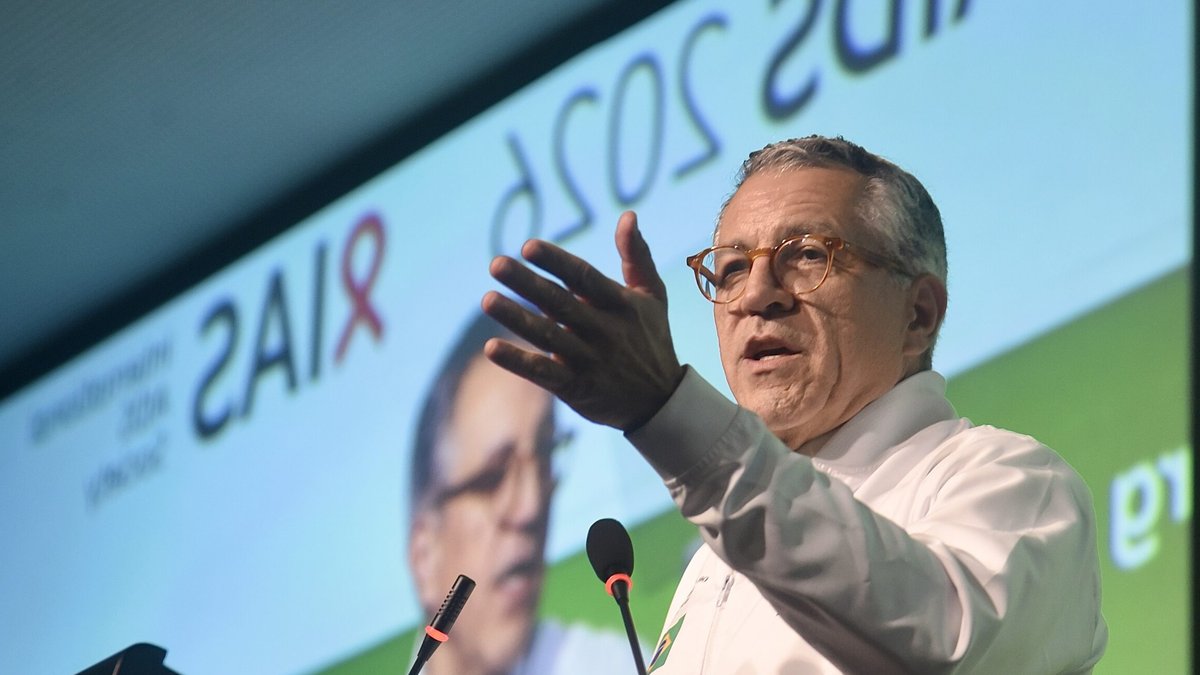
Brazil is pressing for inclusion in pharmaceutical agreements that would lower the cost of long‑acting HIV prevention drugs, a priority highlighted by Health Minister Dr Alexandre Padilha at the International AIDS Conference in Rio de Janeiro.
Negotiations with Gilead stall over price gap
Gilead’s lenacapavir, an injectable that requires dosing only twice a year, showed near‑complete protection against HIV in clinical trials two years ago. Despite the promise, the company’s price proposal for Brazil was roughly ten times higher than the rates secured by Indonesia and Thailand. Padilha told delegates that Brazil cannot afford to pay such a premium without jeopardizing its universal health system.
“Innovation without access is injustice,” he said during the conference opening on Monday night. The statement reflects Brazil’s broader stance: it offers pre‑exposure prophylaxis (PrEP) free under its universal coverage, but it seeks prices that align with the country’s fiscal realities.
Rather than pursuing lenacapavir, Brazil has turned to ViiV Healthcare’s cabotegravir, which is administered every two months. ViiV and the Medicines Patent Pool (MPP) have a voluntary licensing deal that allows generic production for 90 countries, yet most of Latin America, including Brazil, remains outside that list.
Related: Healthcare Relies More on Efficient Logistics
Jean van Wyk of ViiV told reporters that generic versions of cabotegravir are expected by 2028, and that the company will supply two million doses to low‑and middle‑income markets at a “non‑profit price.” So far, eighteen nations have used the drug, with more than 520,000 doses dispensed.
Other firms’ licensing moves and Brazil’s response
Merck/MSD is testing a monthly PrEP pill called alimatravir.
Meanwhile, Gilead has faced pressure from activists and organizations such as Médecins sans Frontières (MSF), which launched a campaign demanding broader availability of lenacapavir. The group highlighted the drug’s importance for high‑risk groups, including men who have sex with men, transgender people, sex workers, people who inject drugs, and incarcerated individuals.
From a practical standpoint, Brazil’s decision to favor cabotegravir while evaluating Merck suggests a dual strategy: securing immediate, affordable options while keeping the door open for newer candidates. This approach may help the country meet its public‑health goals without overextending its budget, though it also points to the challenges of aligning global licensing frameworks with regional needs.
Gilead reported that lenacapavir is being rolled out in ten African countries, with an expectation that 600,000 people will be using the drug by year‑end. The company’s U.S. price stands at $28,000 per year, a figure that activists argue is untenable for many low‑and middle‑income markets.
Related: Singapore study reveals new women’s health findings
Protests by activists from Brazil, Argentina, and Peru at the conference emphasized that trial participants from these nations deserve access to the medication. Jared Baeten responded that all trial participants have been provided with lenacapavir and that access will continue while the drug becomes available in their home countries.
Brazil’s HIV burden remains significant, with almost 830,000 people living with the virus. The country’s classification as upper‑middle‑income often excludes it from the lowest‑price tiers reserved for low‑income nations, complicating procurement efforts.
The conference concludes with attention on how pharmaceutical firms will address pricing and licensing gaps for long‑acting PrEP, and whether Brazil’s advocacy will reshape the field of HIV prevention in Latin America.
Efficient supply chains are essential for the universal health system.


